
The Engineering Imperatives of Marine Deck Illumination
Operating vessels in open oceans, harbor docks, and offshore platform structures demands lighting architecture far superior to standard outdoor IP65 fixtures. Marine deck lights must constantly survive severe salt spray fog, extreme UV radiation, wave impact pressure, high mechanical vibration, and wide thermal fluctuations.
As a lead direct-from-factory OEM/ODM supplier based in Shenzhen, China, our manufacturing methodology integrates 316L stainless steel components, marine-grade A360 copper-free die-cast aluminum alloys, and multi-stage C5-M anti-corrosion fluorocarbon powder coatings. By combining robust ingress protection (IP67, IP68, and IP69K) with high-efficiency optical arrays (exceeding 160 lm/W), we provide global fleet owners and shipyards with operational longevity exceeding 50,000 to 100,000 hours without maintenance decay.
Core Technical Pillars of High-Reliability Marine Lights
To prevent galvanic corrosion, seal degradation, and electrical shorting, marine lighting fixtures require specialized engineering across three critical vectors:
1. Advanced Metallurgy & C5-M Coating
Seawater contains ~3.5% sodium chloride, accelerating galvanic pitting. We employ A360 low-copper aluminum (< 0.1% Cu content) treated with chromate conversion and double-layer electrostatically applied epoxy powder coating rated for ISO 12944 C5-M severe offshore environments.
2. Isolated Power & Surge Suppression
Vessel power grids often experience voltage spikes due to winches and heavy generator loads. Our marine drivers feature dual DC 12V/24V input and wide AC 90–305V drivers with integrated 10kV/20kV surge protection devices (SPD) and galvanically isolated power channels.
3. Hermetic Sealing & Pressure Relief
Temperature cycling inside a sealed fixture creates internal vacuum pressures that pull moisture through gaskets. Our fixtures incorporate fluorine rubber O-rings alongside Gore® breathable PTFE vents to balance internal pressure while blocking liquid water entry.
Standard Outdoor Floodlights vs. Dedicated Factory Marine Deck Lights
Deploying standard commercial floodlights on sea-going vessels leads to fixture failures within 6 to 12 months. The table below details why dedicated marine engineering is non-negotiable for commercial procurement.
| Engineering Parameter | Standard Outdoor LED Light | Factory Marine Deck Light (LSLEDSUS) |
|---|---|---|
| Housing Material | Recycled ADC12 Aluminum (High Copper) | A360 Copper-Free Die-Cast or 316L Stainless Steel |
| Corrosion Resistance | Standard Polyester Powder (200-500 hrs salt spray) | C5-M Marine Powder Coat (1000-3000 hrs ASTM B117) |
| Lens Material | Standard Acrylic / Polycarbonate (UV yellowing in 1 yr) | High-Transmittance Borosilicate Glass or Marine UV-PC |
| Ingress Protection | IP65 (Rain resistant, non-submersible) | IP67 / IP68 / IP69K (Hermetically Sealed, High Pressure Jet Resistant) |
| Vibration Tolerance | 1G - 2G (Bracket shear risk) | 5G - 10G Heavy Marine / Engine Room Tested |
| Operating Voltage | Fixed AC 110V/220V only | Dual DC 12V/24V, Low Voltage Solar, Wide-Range AC (90-305V) |
Why Global Procurement Selects China's Manufacturing Ecosystem
Shenzhen and the Pearl River Delta represent the epicenter of optoelectronic innovation and robust supply chain integration. As an established direct manufacturer, our facility capitalizes on these localized advantages to provide uncompromised OEM/ODM capabilities to international buyers:
Integrated Component Sourcing
By sourcing high-grade OSRAM/CREE LED chips, Mean Well drivers, and precision optical lenses within a 50km radius, we compress lead times, reduce tooling costs, and maintain total quality control from raw aluminum ingots to final photometric darkroom testing.
Customized Engineering & Prototyping
Every vessel has unique mounting geometry and illumination requirements. Our in-house R&D engineering team provides bespoke Dialux photometric layouts, custom mounting bracket design, tailored beam angles (from 15° narrow spot to 120° flood), and logo/private label laser etching.
Versatile Deployment Across Maritime & Offshore Industries
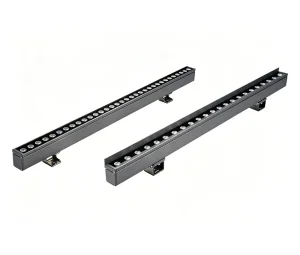
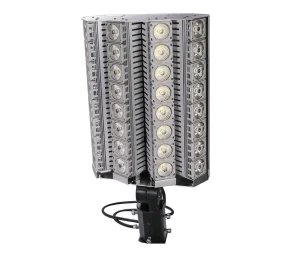
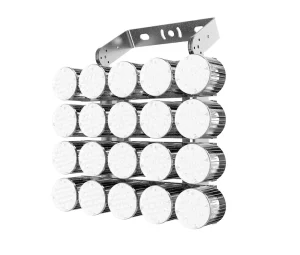
Our marine deck floodlights and linear lights are deployed globally across diverse maritime infrastructure and vessel classes:
Commercial Fishing Vessels
High-lumen green and ultra-white deck floodlights designed to facilitate night net operations, haul sorting, and fish attraction with zero flicker to reduce crew eye fatigue.
Offshore Oil & Gas Rigs
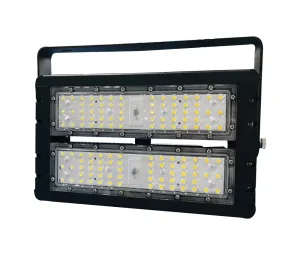
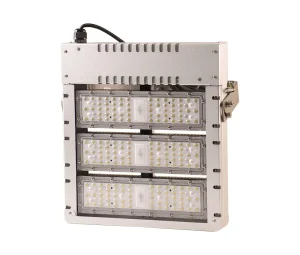
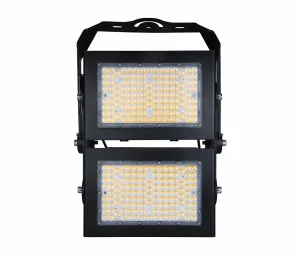
Heavy-duty floodlights engineered to meet tough environmental and vibration standards, providing reliable illumination for helipads, drill decks, and jacket structures.
Cargo Containers & Bulk Carriers
Rugged passageway and gangway deck lighting ensuring safe crew transit, secure container stacking visibility, and compliance with maritime safety protocols.
Luxury Superyacht Aft Decks
Sleek, low-profile RGB/CCT adjustable lights that seamlessly blend elegant aesthetics with IP68 marine weatherproofing for swim platforms and luxury bow lounges.
Ports, Terminals & Shipyards
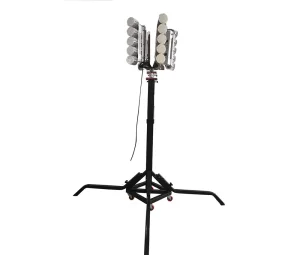
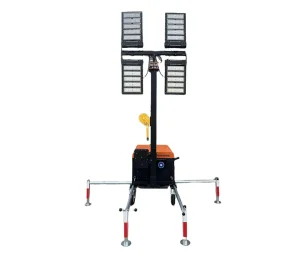
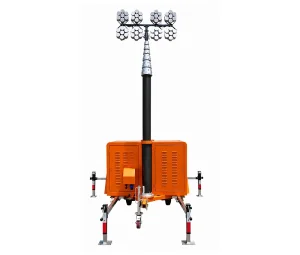
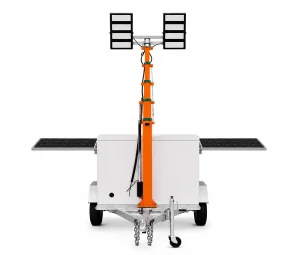
High-mast LED light towers and quay floodlights offering widespread light coverage for container cranes, dry docks, and shipbuilding assembly yards.
Tugboats & Workboats
Impact-resistant 12V/24V DC searchlights and deck work lights built to withstand continuous engine vibration, heavy sea spray, and sudden temperature shifts.
Global Compliance & Emerging Trends in Marine Deck Illumination
As the global maritime sector moves toward decarbonization and automated smart shipping, modern marine deck lighting must align with updated regulatory directives and energy standards:
International Regulatory Compliance
All LSLEDSUS marine deck light products comply strictly with key international maritime criteria:
- USCG (United States Coast Guard): Light distribution rules preventing glare into wheelhouses.
- ABYC E-11 & SOLAS: AC/DC electrical safety isolation and emergency lighting readiness.
- IEC 60598-2-18: Requirements for luminaires used in aquatic and severe surface vessel applications.
- RoHS & CE Certification: Environmentally friendly component manufacturing free from hazardous heavy metals.
Emerging Industry Trends
1. NMEA 2000 / CAN-Bus Integration: Next-generation deck lights feature digital communication protocols allowing centralized control from the bridge touchscreens.
2. Dynamic Red/White Dual Output: Preserving night vision for deck officers during night watch shifts by toggling between high-CRI white and low-intensity red spectra.
3. Solar & Microgrid DC Compatibility: Native 12V/24V/48V DC drive systems that connect directly to vessel battery banks without inverter losses.
Frequently Asked Questions for B2B Buyers & Engineers
Get answers regarding custom OEM manufacturing, marine certification, testing standards, and order processing.