High-Quality Container Yard Lights Factory & Supplier
Next-Generation Industrial Luminaire Engineering: Empowering 24/7 Global Maritime Logistics, Intermodal Freight Terminals, and High-Mast Port Infrastructure with Intelligent, High-Efficacy LED Optics.
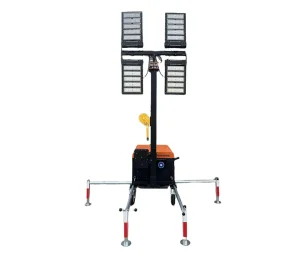
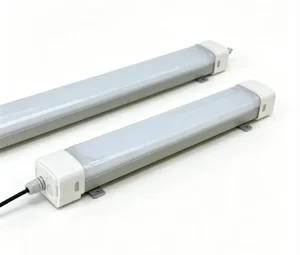
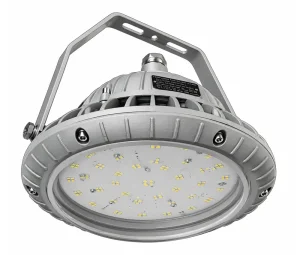
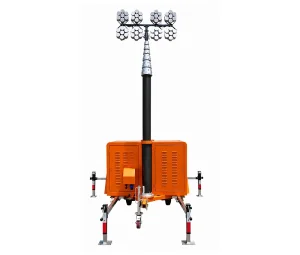
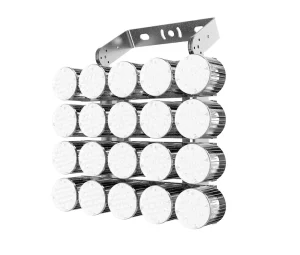
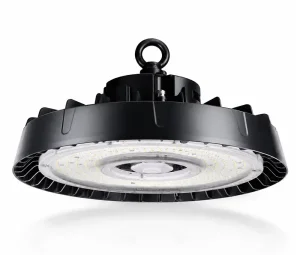
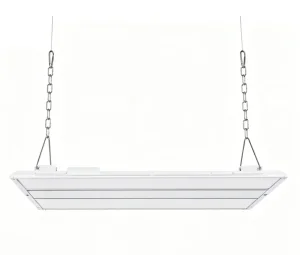
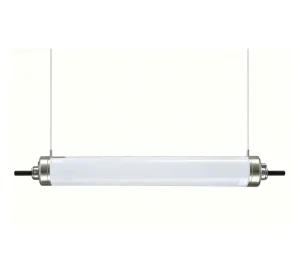
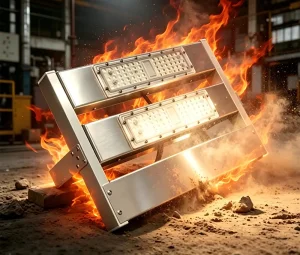
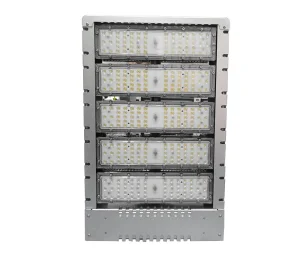
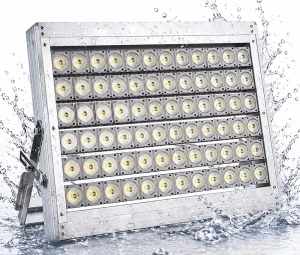
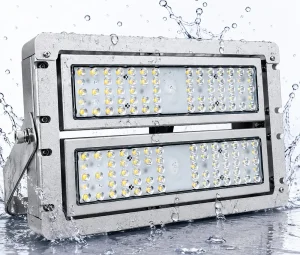
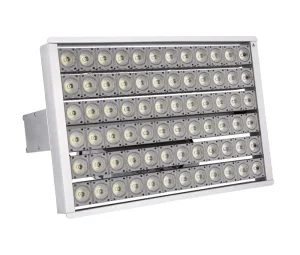
Featured Industrial Luminaires for Extreme Maritime & Yard Operations
Engineered to endure abrasive saline mist, continuous high-vibration gantry stresses, and extreme thermal conditions.
Global Intermodal Landscape: The Critical Role of High-Performance Container Yard Lighting
Container terminals represent the nerve centers of international commerce, processing over 850 million TEUs globally every year. Operating continuously under aggressive coastal conditions, modern ports require lighting infrastructure that transitions from mere illumination to an active component of logistical throughput, occupational safety, and decarbonization strategies.
Automation & Sensor Integration
Modern Automated Stacking Cranes (ASC) and Rail Mounted Gantry (RMG) systems require optical environments tailored to machine vision. Irregular shadow penumbras and uncontrolled glare impair LiDAR tracking and Optical Character Recognition (OCR) systems reading container IDs.
Aggressive Marine Microclimates
Coastal terminals operate in harsh ISO 12944 C5-M / CX corrosivity zones. High salt mist concentration combined with wind loads above 60 m/s require architectural housings cast from pure marine alloys (A380/ADC12) protected by electrophoresis and architectural fluorocarbon layers.
Photometric Vector Uniformity
Terminal yard stacks create extreme high-contrast canyons. Conventional lighting produces steep lumen drop-offs between 6-high containers. Precision asymmetric forward-throw lenses mitigate dark zones without blinding crane operators or approaching marine pilots.
Engineered Optical and Thermal Solutions for Port Infrastructure
Designing durable yard luminaires requires structural resilience, custom power delivery, and purpose-built optical arrays. As a dedicated container yard lights factory and supplier, our engineering focus encompasses the full electro-mechanical envelope.
| System Architecture | Traditional HID/High-Pressure Sodium | LS Industrial Port-Grade LED | Operational & Engineering Benefit |
|---|---|---|---|
| Luminous Efficacy | 70 - 85 lm/W (degrades rapidly) | 160 - 180 lm/W (stabilized) | Saves over 60% in kilowatt-hour usage, reducing thermal load on electrical distribution blocks. |
| Vibration Damping | Filaments vulnerable to crane mechanical impact | Solid-state modular engine (3G - 5G rated) | Eliminates structural failures caused by gantry movement and high coastal wind vortex shedding. |
| Corrosion Barrier | Standard electrostatic powder coating | Double-dipped marine anodization + C5-M finish | Prevents galvanic degradation and housing pitting under aggressive marine air conditions. |
| Optical Uniformity (Uo) | 0.20 - 0.25 (pronounced hot spots) | 0.45 - 0.60 (IESNA RP-6-15 compliant) | Eliminates deep shadows in container lanes, reducing handling incidents and speeding up operations. |
| Instant Restrike | 10 - 15 minutes warm-up time | Instantaneous (< 100 ms) full output | Zero yard downtime during sudden grid drops or auxiliary generator transitions. |
Targeted Terminal Lighting Topographies
Every node within an intermodal container freight terminal presents unique photometric and mounting requirements. Generic floodlights cannot handle the specialized demands of port operations.
STS Crane Boom & Trolley Mounts
Ship-to-Shore (STS) boom lighting operates directly above vessel cell guides. Luminaires must deliver narrow-to-medium directional punch (15° to 30°) from heights of 45 to 65 meters, while enduring constant cyclical shock loads as the spreader locks onto 40-foot containers.
- Heavy-duty 5G vibration dampening brackets
- Remote driver enclosures mounted in protected service bays
High-Mast Tower Arrays (30m - 50m)
Perimeter and interior yard towers require wide, asymmetric polar throws to illuminate wide container stacks without creating spill light toward navigable channels or surrounding coastal communities.
- Precision cutoff optics to stop upward atmospheric light spill
- Rotatable optical modules for on-site aiming adjustments
Terminal Gate & OCR Lanes
Automated terminal check-in gates rely on high-speed imaging to process ISO container markings, license plates, and hazardous material placards. Lighting requires high color rendering (CRI > 80) and zero flicker.
- Flicker-free drivers (< 1% ripple index)
- Uniform vertical illuminance on all four container faces
Technology Roadmap: Intelligent & Connected Container Yards
Industrial port illumination is evolving from passive fixtures to networked systems connected directly to Terminal Operating Systems (TOS). Our R&D focuses on digital integration that reduces energy consumption during low-traffic periods.
TOS-Interlinked DMX/DALI-2
Through automated API integration with systems like Navis N4, high-mast banks dynamically increase brightness along active container pickup corridors while dimming inactive storage blocks to 15% standby levels, delivering up to 35% in additional energy savings.
Edge Predictive Diagnostics
Integrated micro-sensors monitor LED junction temperatures, power factor stability, surge protective device (SPD) degradation, and chassis vibration. Data streams alert maintenance teams before a fixture fails on a critical crane.
Dark-Sky Wildlife Compliance
Coastal logistics hubs face tighter ecological scrutiny near marine habitats. Our optical platforms support spectral tuning and sharp optical cutoffs, shifting light away from blue peaks to protect local marine and avian wildlife.
Frequently Asked Technical Questions: Yard Lighting Specification
Clear engineering answers to help facility directors, electrical consultants, and port procurement teams specify reliable container yard systems.
How do LED yard luminaires mitigate high-altitude mast vibration?
What steps are taken to prevent galvanic corrosion in coastal yards?
How are vertical illuminance levels maintained between tall container stacks?
Can existing high-mast infrastructure support LED retrofits without re-cabling?
Extended Heavy Industrial & Site Illumination Systems
Tested configurations supporting continuous operations across heavy manufacturing, hazardous environments, and intermodal transport hubs.