Featured OEM Heavy Industrial & Special-Environment Lighting (Part I)
Engineered for extreme operating environments: marine vessels, high-temperature industrial bays, off-grid mobile light towers, and hazardous processing facilities.
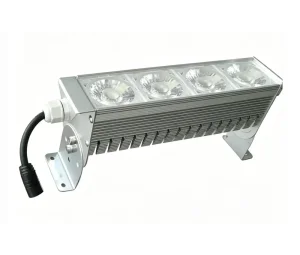
OEM LS-ARE Ocean Series LED Marine Light for Boats, Docks, Harbors & Underwater Applications
View Product Details →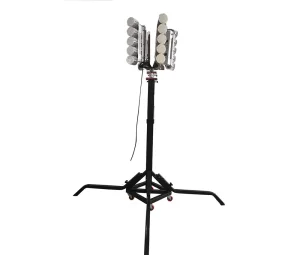
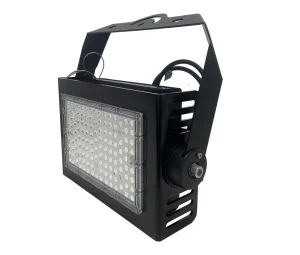
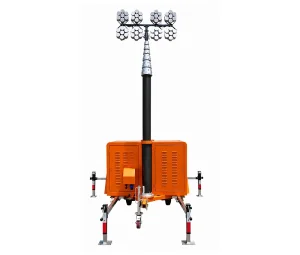
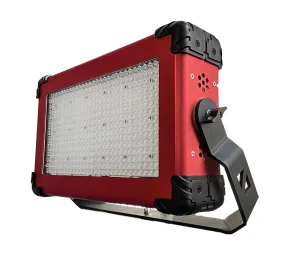
OEM 48V DC LED Flood Light for Mobile Light Towers & Off-Grid Industrial Lighting
View Product Details →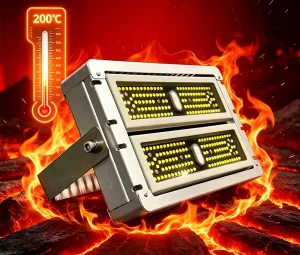
Best Ultra High Temperature LED Light - Rated 200°C (392°F) with IP68 Protection
View Product Details →
Best Revolutionary Underwater LED Film Light - 30-Meter Depth, Zero Housing Required
View Product Details →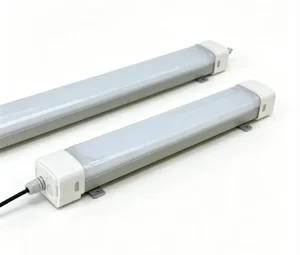
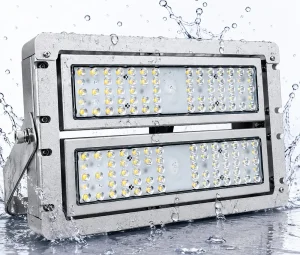
High-Quality IP65-IP67 Triproof LED Light – Waterproof, Dustproof & Corrosion Resistant
View Product Details →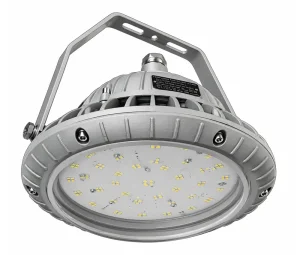
Best Explosion proof LED Light – Safe, Durable, Industrial Illumination Suppliers
View Product Details →1. Technological Evolution & Global Industry Trends in UL Explosion Proof Lighting
From legacy high-intensity discharge (HID) pressure-vessels to intelligent, solid-state LED luminaires engineered for hazardous environments.
The global hazardous location lighting sector is undergoing a profound paradigm shift. Historically dominated by heavy, thermal-inefficient High-Pressure Sodium (HPS) and Metal Halide (MH) explosion-proof fixtures, modern industrial processing facilities are now standardizing on UL 844 certified LED explosion-proof lighting systems. This transition is not merely driven by energy conservation, but by structural safety requirements, maintenance reduction in toxic operating zones, and precise optical beam delivery.
Key Micro-Architectural Trends Shaping Modern OEM Manufacturing
Isolated Dual-Chamber Thermal Management
Modern OEM UL explosion-proof light factories now engineer dual-chamber housing architectures. By physically decoupling the LED optical engine from the driver power supply compartment, heat transfer between components is reduced by up to 35%. This prevents driver capacitor overheating, enabling stable operations in high ambient environments up to 65°C to 200°C.
Smart Control & IoT Sensor Integration
Explosion-proof environments are adopting wireless mesh technology (such as Zigbee, Bluetooth Mesh, and DALI-2 Ex protocols). OEM factories integrate intrinsically safe sensors into Ex d / Ex e housings, allowing automated daylight harvesting, occupancy sensing, and remote predictive maintenance diagnostic alerts without opening explosion-proof seal fittings.
Advanced Optics & Low-Glare Borosilicate Glass
Direct glare from high-lumen LED chips poses safety hazards in chemical refineries and marine docks. Leading OEM factories utilize high-transmission, thermal-shock resistant toughened borosilicate glass lenses paired with precise NEMA optical distributions (Type I through Type VII) to minimize glare and maximize illumination uniformity on catwalks, task zones, and high-bay structures.
2. Global Procurement Needs & Hazardous Location Certification Matrix
Understanding the technical compliance requirements, certification equivalencies, and total cost of ownership (TCO) considerations for international B2B buyers.
Procurement teams for multinational energy firms, EPC contractors, and heavy manufacturing conglomerates face complex regulatory landscapes when sourcing explosion-proof LED lighting from overseas OEM factories. A primary buyer requirement is verified compliance with North American standards (UL 844, UL 1598, UL 1598A) as well as international equivalents (ATEX, IECEx).
| Classification Level | Environment Definition | Hazardous Materials Present | UL 844 Standard Equivalent | ATEX / IECEx Equivalent |
|---|---|---|---|---|
| Class I, Division 1 | Ignitable concentrations of flammable gases or vapors exist continuously or periodically under normal conditions. | Acetylene, Hydrogen, Ethylene, Gasoline, Propane | UL 844 (C1D1 - Flameproof / Ex d) | Zone 0 / Zone 1 (Ex db / Ex eb) |
| Class I, Division 2 | Flammable gases/vapors present only during accidental rupture, system leakage, or abnormal operational failure. | Refined fuels, solvent vapors, natural gas leaks | UL 844 (C1D2 - Non-Incendive / Ex nR) | Zone 2 (Ex ec / Ex nR) |
| Class II, Division 1 | Combustible dust is present in the air under normal operating conditions in quantities sufficient to produce explosive mixtures. | Coal dust, grain dust, flour, aluminum/magnesium powder | UL 844 (C2D1 - Dust-Ignition Proof) | Zone 21 (Ex tb) |
| Class II, Division 2 | Combustible dust is not normally in suspension in air, but dust accumulations may interfere with heat dissipation. | Agricultural dust, carbonaceous dust, plastics processing | UL 844 (C2D2 - Dust-Tight) | Zone 22 (Ex tc) |
| Class III, Div 1 & 2 | Presence of easily ignitable fibers or flyings, though not likely to be in suspension in air in sufficient quantities. | Textile fibers, cotton flyings, sawdust, wood chips | UL 844 (Class III) | Group III (Fibers) |
Total Cost of Ownership (TCO) Procurement Evaluation Criteria
When global enterprises audit an OEM UL explosion-proof light factory, procurement algorithms evaluate four critical parameters beyond initial FOB unit cost:
- Thermal Safety Margin (T-Rating Reserve): Quality OEM factories design fixtures with a 15–20°C safety buffer below the targeted T-Class threshold (e.g., maintaining surface temperatures below 115°C for a T4A rating under 50°C ambient conditions).
- Vibration and Structural Fatigue Resistance: High-vibration environments such as offshore drilling rigs, mobile light towers, and stamping mills require fixtures tested to IEEE 344 and IEC 60068-2-6 shock/vibration standards. Copper-free aluminum die-cast bodies (ADC12/A360) with heavy-duty stainless steel (316L) hardware prevent structural shearing.
- Ingress Protection & Corrosion Resistance: For marine and offshore deployment, fixtures require dual UL 1598A Marine certification, IP66/IP67/IP68 ingress ratings, and 1,000 to 3,000-hour salt spray testing compliance (ASTM B117) under C5-M high-salinity standards.
- Lumen Maintenance & Thermal Degradation (LM-80 / TM-21): Sourcing managers verify that OEM factories utilize tier-1 LED packages (e.g., Osram, Cree, Lumileds) coupled with high-efficiency drivers (MeanWell, Inventronics) delivering continuous L70 lifespans in excess of 100,000 hours.
3. China Factory 4.0: Supply Chain Resilience & Manufacturing Efficiency
How Chinese industrial lighting hubs leverage vertical integration, automated robotics, and rapid OEM/ODM customization to deliver unmatched market value.
The global dominance of Chinese OEM UL explosion-proof light factories stems from the ecosystem integration within key industrial clusters (primarily Shenzhen, Dongguan, and Foshan in the Greater Bay Area). By integrating chip-scale packaging, automated die-casting, CNC precision machining, and automated optical testing under one localized supply chain umbrella, Chinese manufacturers offer distinct advantages in lead times, technical flexibility, and cost efficiency.
End-to-End Vertical Manufacturing Integration
Leading Chinese factories control the complete manufacturing pipeline: from raw copper-free aluminum ingot smelting, automated 1,000T to 3,000T die-casting, high-speed multi-axis CNC flamepath machining, surface passivating and powder coating, to automated SMT surface mounting and spectroradiometric integrating sphere testing.
Agile OEM/ODM Engineering Customization
Unlike rigid Western legacy suppliers that mandate standardized catalog purchasing, Chinese OEM factories support rapid prototyping (3D printed aluminum prototypes within 7 days), custom voltage inputs (12V/24V/48V DC, 120-277V AC, 347-480V High Voltage AC), custom beam angles, and private-label laser etching.
Rigorous Quality Assurance & Testing Rigor
Top-tier OEM facilities maintain internal ISO/IEC 17025 accredited laboratories capable of executing thermal endurance testing up to 200°C, high-pressure flameproof explosion containment testing, IP68/IP69K water submersion trials, and photometric Dialux IES data generation.
4. Localized Application Scenarios & Real-World Technical Deployments
Analyzing specific engineering challenges and OEM light fixture configurations across critical commercial and industrial environments.
Oil & Gas Offshore Platforms & Refineries
Operating Environment: Severe exposure to corrosive salt fog, high humidity, volatile hydrocarbon gases (Methane, Ethane, Propane), continuous structural vibration, and ambient thermal fluctuations.
OEM Solution Architecture: Heavy-duty copper-free aluminum housing treated with dual-layer electrochemically passivated C5-M powder coating. Features 316L stainless steel fasteners, sealed explosion-proof junction boxes, high surge suppression (20kV), and toughened anti-static glass lenses.
Grain Processing, Flour Mills & Sugar Silos
Operating Environment: Dense airborne organic dust concentrations capable of causing catastrophic dust-cloud explosions if static sparks or hot surface temperatures occur.
OEM Solution Architecture: Dust ignition-proof (Ex tb / Class II Div 1) smooth exterior profiles engineered without cooling fins where dust can collect. Low surface temperature T-code rating (T6 / 85°C) prevents dust layer auto-ignition.
Automotive Paint Spray Booths & Solvent Storage
Operating Environment: Highly flammable vapor concentrations from atomized paints, lacquers, and organic solvents (Xylene, Toluene) combined with strict visual color-rendering demands.
OEM Solution Architecture: Low-profile linear strip or floodlight designs with high color rendering index (CRI > 90, R9 > 50) and zero silicone outgassing to prevent paint cratering defects. Sealed to Class I Div 2 / Zone 2 non-incendive parameters.
Steel Foundry Overhead Bays & Glass Plants
Operating Environment: Extreme radiant heat, heavy ambient soot, and elevated temperatures exceeding 100°C to 200°C near furnace roofs and ladle stations.
OEM Solution Architecture: Ultra high-temperature rated LED fixtures equipped with remote driver enclosures mounted away from ambient heat, specialized fluorocarbon seals, silicone-encapsulated wire leads, and pure copper heat-pipe thermal sinks.
5. Deep Technical FAQ: OEM UL Explosion Proof Lighting Engineering
Detailed technical answers to critical questions asked by electrical engineers, EPC contractors, and global OEM sourcing managers.
What is the structural difference between Class I, Division 1 and Class I, Division 2 explosion-proof LED light fixtures?
The primary engineering distinction lies in the containment capability versus spark-prevention mechanism. Class I, Division 1 (C1D1) fixtures utilize heavy "Flameproof / Ex d" enclosures. They are designed to withstand an internal explosion of gas or vapor without rupturing, while cooling escaping hot gases through precision-machined "flame paths" so they cannot ignite the surrounding atmosphere.
Conversely, Class I, Division 2 (C1D2) fixtures use "Non-Incendive / Restricted Breathing (Ex nR or Ex ec)" design principles. Since flammable gases are only present under abnormal leak conditions, C1D2 fixtures focus on ensuring no internal components produce arcs, sparks, or hot surfaces capable of ignition during standard operation, allowing lighter aluminum housings and cost-effective seal structures.
Why is the Temperature Code (T-Rating) crucial when selecting an OEM explosion-proof light factory?
The Temperature Code (T-Rating from T1 to T6) defines the maximum operating surface temperature that any part of the luminaire can reach under full thermal load. Sourcing managers must match the fixture's T-Rating to the auto-ignition temperature of the specific gases or dusts present in the client facility.
For example, Gasoline has an auto-ignition temperature of ~280°C (requiring a T3 rating of ≤200°C or better), whereas Ethyl Ether auto-ignites at 160°C (requiring a T4A or T5 rating). Experienced OEM factories conduct rigorous thermal imaging and power dissipation testing to guarantee that fixtures maintain their certified T-code under specified maximum ambient working temperatures.
How do Chinese OEM factories ensure compliance with North American UL 844 standards during manufacturing?
Qualified Chinese OEM factories partner with OSHA-recognized Nationally Recognized Testing Laboratories (NRTLs) such as UL, ETL (Intertek), or CSA. The compliance process involves rigorous type testing (explosion pressure hydrostatic testing, thermal shock, drop impact, salt spray, and aging tests) followed by quarterly unannounced factory audits.
Every UL 844 certified unit manufactured on the assembly line undergoes routine dielectric voltage withstand (hi-pot) testing, ground continuity checks, and 100% pressure/gasket seal integrity testing prior to packaging.
What customized OEM options are available for mobile light towers and off-grid hazardous sites?
For mobile light tower OEMs and remote site integrators, custom engineering options include 12V DC, 24V DC, and 48V DC input drivers compatible with battery banks and solar microgrids. Additionally, factories supply compact low-profile floodlights with ultra-narrow (15°/30°) or wide asymmetric beam optics, shock-isolated trunnion mounting brackets, and IP68 waterproof quick-connect wiring harnesses designed for rapid assembly on telescopic masts.
What step-by-step process is recommended for placing a custom OEM/ODM order with an explosion-proof light factory?
The standard OEM procurement workflow follows five key technical stages:
- Requirement Definition: Provide hazardous area classification (C1D1, C1D2, C2D1, ATEX Zone 1/21), ambient operating temperature range, required lumens, wattage, input voltage, and mounting preference.
- Optical & Thermal Simulation: The factory engineering team provides DIALux photometric calculations and CFD thermal dissipation models.
- Prototyping & Lab Validation: A working sample is fabricated and tested for lumen output, ingress protection, and thermal stability.
- Certification Review: Confirm laser-etched nameplate details, UL/ATEX serial numbers, and client private-label documentation.
- Mass Production & QC Audit: Production under strict quality control, including 100% burn-in testing (24–48 hours) and batch quality reports before shipping.
Extended Heavy-Duty & Mobile Industrial Lighting Showcase (Part II)
Explore additional specialized LED lighting systems, including mobile light towers, high-temperature dustproof luminaires, sports venue stadium floodlights, and flexible mats.
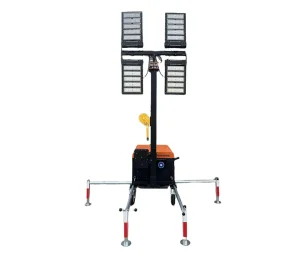
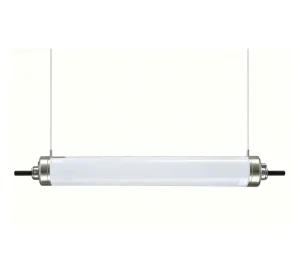
Best IP69K Tri-proof Light for Harsh Environments – High Efficacy & Reliable Performance
View Product Details →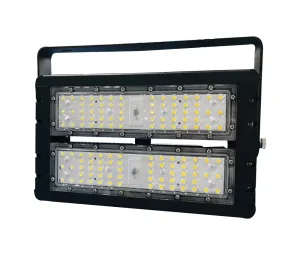
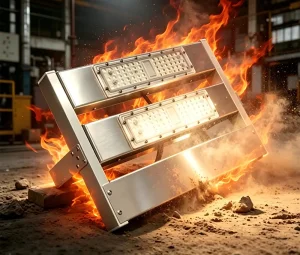
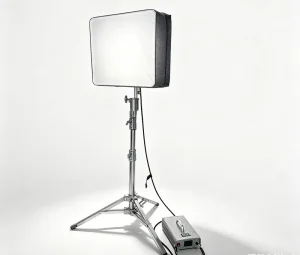
High-Quality Flexible LED Mat - Powerful, Flicker‑Free Lighting That Conforms to Any Surface
View Product Details →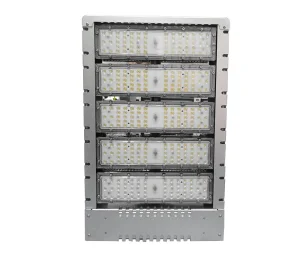
Best Artemis LED Stadium Light - IP67 Durability & Ultra-Light Design for Coastal Environments
View Product Details →