
Featured Explosion-Proof & Specialized Industrial Series
Precision-manufactured LED solutions delivering thermal resilience, optical efficiency, and uncompromising ingress protection for demanding industrial facilities across North Rhine-Westphalia, Bavaria, and global markets.
-
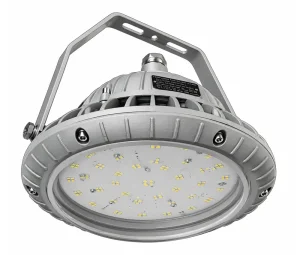
Best Explosion proof LED Light – Safe, Durable, Industrial Illumination Suppliers Germany
-
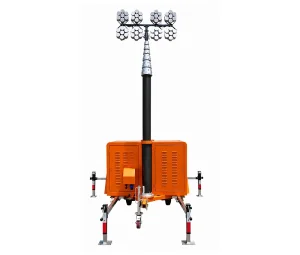
Best Portable 9m Mobile Light Tower Suppliers, German Infrastructure Manufacturer
-
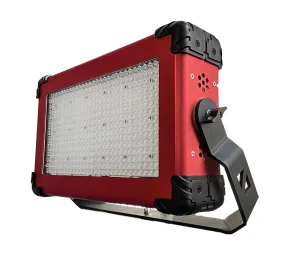
Best Revolutionary Underwater LED Film Light - 30-Meter Depth German Industrial Spec
-
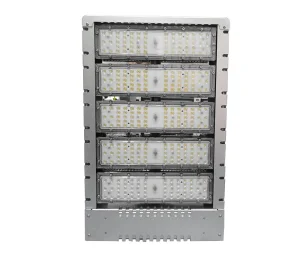
Best Artemis LED Stadium Light - IP67 Durability for Germany Coastal Ports & Arenas
Hazardous Area Illumination in Germany: The Energiewende Era
As Europe's industrial powerhouse accelerates its transition toward green hydrogen, chemical modernization, and Industry 4.0 automation, the technical requirements placed on explosion-proof lighting have evolved far beyond conventional cast-iron enclosures.
German Chemical Parks (Chemieparks)
Hubs like Ludwigshafen, Industriepark Höchst, and CHEMPARK require strict adherence to ATEX Directive 2014/34/EU and BetrSichV (German Operational Safety Ordinance). Luminaires must withstand corrosive VOC vapors, aromatic hydrocarbons, and continuous operating cycles with zero downtime.
The Hydrogen (H2) Transition Surge
Germany's national hydrogen strategy demands IIC gas group certification. With an ignition energy of just 0.017 mJ, hydrogen poses the highest explosion risk. Our fixtures feature specialized micro-gap flame-arresting joints and non-sparking optics tailored for clean-energy hubs.
Global Standards Harmonization
Export-oriented engineering demands dual-certification frameworks. Our manufacturing processes bridge the gap between European ATEX/IECEx standards and North American NEC 500/505 classes, streamlining deployment for German multi-national EPC contractors worldwide.
Technical Architecture of Modern Explosion-Proof Lighting
Exploring advanced thermodynamic dissipation, surface temperature class controls (T1-T6), and compliance with DIN EN 60079 series standards.
🔬 Overcoming the "Hotspot Trap": Advanced Thermal Decoupling
In hazardous industrial lighting, thermal management serves a dual purpose: safeguarding semiconductor junction longevity and ensuring outer housing temperatures remain safely below the spontaneous ignition threshold of ambient gases and combustible dusts. In heavy chemical and metallurgical facilities across Germany, standard industrial luminaires fail because ambient heat superheats internal drivers, resulting in premature driver failure or dangerous surface temperatures that violate T4, T5, or T6 ratings.
Our engineering methodology implements dual-cavity thermodynamic separation. The optical array and driver compartment are physically isolated with a dedicated thermal barrier. By leveraging aerospace-grade, copper-free aluminum (copper content < 0.05%) treated with fluorocarbon anti-corrosion finishes, our heat sinks achieve multi-directional natural convection. This lowers LED junction temperatures by an average of 18°C compared to conventional sand-cast aluminum housings, directly ensuring true L80B10 maintenance intervals exceeding 100,000 continuous hours.
| Hazardous Zone Rating | Presence of Atmosphere | Standard German/EU Classification | Protective Method Employed | Recommended Industrial Applications |
|---|---|---|---|---|
| Zone 1 / Zone 21 | Explosive atmosphere likely to occur during normal operation (>10 to 1000 hrs/year) | ATEX Category 2G / 2D (Ex db, Ex eb, Ex tb) | Flameproof "d", Increased Safety "e", Dust Encapsulation "tb" | Refinery distillation units, chemical reactors, paint spray facilities, flour mills |
| Zone 2 / Zone 22 | Explosive atmosphere not likely to occur, or only for short periods (<10 hrs/year) | ATEX Category 3G / 3D (Ex ec, Ex tc) | Non-sparking "ec", Restricted breathing "nR", Dust-protected "tc" | Chemical storage warehouses, pipeline pumping stations, biomass processing plants |
| Safe / Harsh Heavy Industrial | No explosive gas/dust risk, but extreme temperature, moisture, and corrosion present | DIN EN 60598-2-1, IP66/IP68/IP69K | Multi-coating fluorocarbon, hermetic silicone sealing, surge protection | Offshore port terminals, steel rolling mills, industrial drying facilities |
💡 Optical Physics: Anti-Glare Precision for High-Risk Workplaces
Visual precision in hazardous industrial setups is critical for human operator safety. Poor photometric distribution creates sharp shadows and blinding glare, elevating accident risks around fast-moving automated machinery or chemical transfer stations. We employ precision multi-surface TIR (Total Internal Reflection) optics crafted from high-transmittance, non-yellowing borosilicate glass and UV-stabilized polycarbonate.
These optics deliver a Unified Glare Rating (UGR) < 19 alongside balanced, uniform task plane illumination that conforms precisely to the workplace lighting parameters dictated by German standard ASR A3.4 (Technical Rules for Workplaces - Lighting). Whether configured for low-bay pipe bridges or high-bay reactor towers, the tailored photometric curves ensure maximum functional lumens where personnel operate, eliminating wasted stray light into surrounding nighttime environments.
Localized Application Scenarios Across German Industry
From maritime logistics terminals in Hamburg and Bremen to southern automotive paint plants and central agricultural biomass facilities, customized illumination solves distinct operational risks.
North Sea Maritime & Port Infrastructure
Salt-laden maritime spray and damp weather in ports such as Hamburg, Wilhelmshaven, and Bremerhaven cause swift galvanic degradation in cheap fixtures. Our maritime explosion-proof solutions utilize heavy-duty 316L stainless steel hardware and C5-M marine-grade multi-layer epoxy powder coating, offering impervious performance against saline immersion and persistent North Sea winds.
Automotive Paint Shops & Battery Assembly
Germany's automotive core (Stuttgart, Munich, Wolfsburg) requires luminaires entirely free of paint-wetting impairment substances (LABS/PWIS conformity). In robotic spray booths and cutting-edge gigafactories producing lithium-ion cells, explosion-proof fixtures mitigate solvent vapor risks while delivering high CRI > 90 illumination for critical surface inspection.
Bioenergy & Agricultural Grain Silos
In rural Lower Saxony and Mecklenburg-Vorpommern, vast grain storage elevator facilities and anaerobic digesters generate heavy organic dust clouds (St 1/St 2 dust explosion classes) and hydrogen sulfide gas. Our Zone 21/22 dust ignition-proof fixtures seal out particulate penetration with certified IP66/IP67 mechanical gaskets, maintaining safe surface temperatures below dust glow limits.
Technology Roadmap: Intelligent Hazardous Illumination
Anticipating the technological integration of IoT mesh sensing, automated DALI-2 emergency testing, and circular design principles in hazardous area ecosystems.
Connected DALI-2 & Wireless
Full integration of addressable DALI-2 drivers within flameproof Ex d compartments. Automated reporting of emergency battery health and individual fixture power consumption directly into German facility SCADA setups.
Autonomous Gas/VOC Sensing
Incorporating certified micro-electromechanical (MEMS) gas sensors directly into the luminaire chassis, transforming lighting infrastructure into an active real-time industrial leak detection network.
Predictive AI Thermal Diagnostics
Edge-computed algorithmic models tracking driver capacitor health, junction thermal degradation, and ambient variations to prompt preventative maintenance before catastrophic downtime occurs.
Circular Life-Cycle Architecture
Modular, repairable luminaire construction conforming to European Green Deal eco-design mandates, facilitating field-upgradable optical engines and end-of-life recycling without replacing entire cast assemblies.
Frequently Asked Questions for Plant Engineers & Specifiers
Essential technical and regulatory guidance for international buyers sourcing explosion-proof and heavy industrial lighting systems.
Full Technical Specification Catalog
Explore our full line of specialized heavy-industry, mobile mast, solar, and high-temperature luminaires configured for mission-critical installations.
-
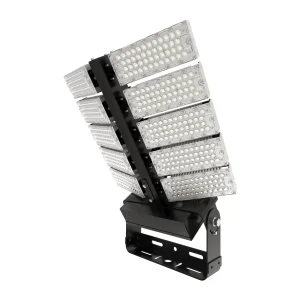
High-Quality Flex LED Flood Light - Independently Articulating Modules for Flawless Field Uniformity
-
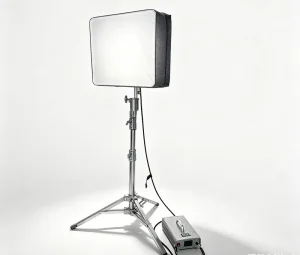
High-Quality Flexible LED Mat - Powerful, Flicker‑Free Lighting That Conforms to Any Surface
-
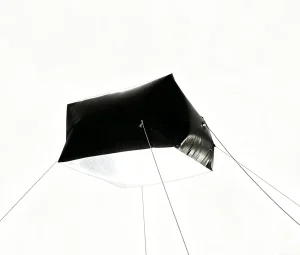
High-Quality Helium Balloon LED Light - Truss-Free Aerial Illumination with Optimized Efficiency
-
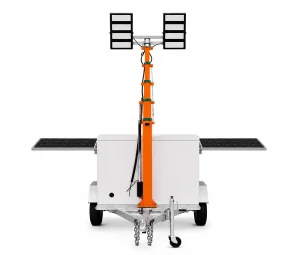
High-Quality 7M Solar Mobile Light Tower Factories, German Engineering Supplier
-
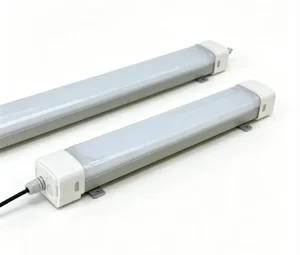
High-Quality IP65-IP67 triproof led light – Waterproof, Dustproof & Corrosion Resistant Supplier
-
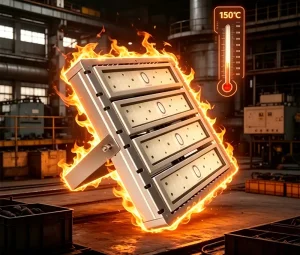
High-Quality Extreme High Temperature LED Light - Rated 150°C (302°F) with IP68 Protection
-
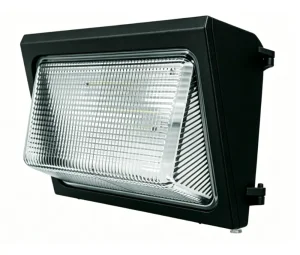
Best Wall Pack LED Light – Secure & Efficient Exterior Building Lighting Factories
-
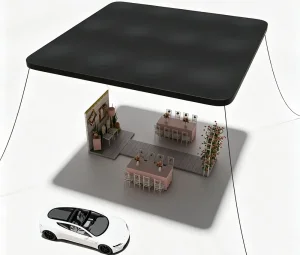
OEM Easy-Setup Helium Balloon Sun Shade - Truss-Free Overhead Diffusion System
Consult with Our Explosion-Proof Lighting Engineering Team
Whether you are planning a refinery retrofit in North Rhine-Westphalia, establishing an offshore hydrogen plant, or seeking an OEM lighting partner for specialized industrial assemblies, our photometric specialists provide full DIALux simulations, structural drawings, and compliance advice.
Send Inquiry Now